Diferencias entre válvulas de compuerta de vástago ascendente y de vástago no ascendente
Apr 14, 2026
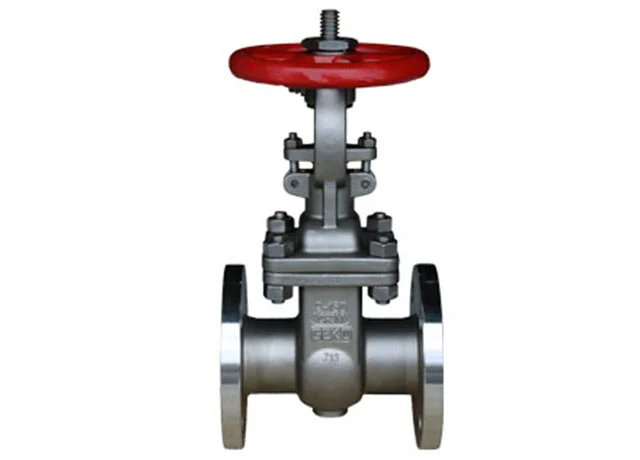
Las válvulas de compuerta de vástago ascendente y de vástago fijo son dos de los tipos más comunes en aplicaciones industriales. La principal diferencia entre ambas radica en el movimiento del vástago, y esta diferencia estructural influye en aspectos como el rendimiento de protección, los requisitos de instalación, la dificultad de mantenimiento y los escenarios de aplicación adecuados. A continuación, analizaremos estas diferencias, desde sus características principales hasta sus aplicaciones prácticas, para facilitar la elección de la válvula adecuada. 1. Diferencias estructurales y de movimiento del troncoLa característica principal de una válvula de compuerta de vástago ascendente es que el vástago se mueve hacia arriba y hacia abajo en sincronía con el movimiento de la compuerta. Las roscas del vástago quedan expuestas directamente al exterior del cuerpo de la válvula. Cuando la válvula se abre, la compuerta se eleva y el vástago se extiende hacia afuera del cuerpo de la válvula. Cuando la válvula se cierra, la compuerta desciende y el vástago se retrae dentro del cuerpo de la válvula. Al observar la longitud de la extensión del vástago, se puede determinar directamente el grado de apertura de la válvula. Por otro lado, la válvula de compuerta de vástago fijo tiene un vástago que solo gira y no se mueve verticalmente con la compuerta. Las roscas del vástago están ocultas dentro del cuerpo de la válvula y engranan con las roscas de la compuerta. La rotación del vástago impulsa la compuerta hacia arriba o hacia abajo para abrir o cerrar la válvula. Externamente, el vástago mantiene una longitud fija, por lo que no se puede observar directamente el proceso de apertura y cierre.2. Características de rendimiento y uso Indicación del estado de la válvulaLas válvulas de compuerta de vástago ascendente ofrecen una indicación visual intuitiva de su estado de apertura. El grado de apertura se determina fácilmente observando la extensión o retracción del vástago, lo que las hace especialmente útiles en situaciones que requieren una visibilidad clara del estado de la válvula, como en sistemas contra incendios, estaciones de bombeo y otras infraestructuras críticas. Esto permite a los operadores evaluar rápidamente el estado de la válvula.En cambio, las válvulas de compuerta de vástago fijo no permiten determinar su estado mediante la observación directa, ya que el vástago no se mueve verticalmente. El estado debe inferirse a partir del indicador de la válvula o de la percepción del operario durante su funcionamiento. Si el indicador no está presente o no es claro, aumenta el riesgo de un funcionamiento incorrecto, lo que incrementa la probabilidad de errores.Rendimiento de protecciónLas roscas del vástago de una válvula de compuerta de vástago ascendente están expuestas al ambiente exterior, lo que las hace más susceptibles a factores externos como el polvo, la humedad y los gases corrosivos. Con el tiempo, las roscas pueden oxidarse, atascarse o dañarse por fuerzas externas. Por lo tanto, las válvulas de compuerta de vástago ascendente ofrecen una protección relativamente menor, lo que las hace más adecuadas para interiores o entornos limpios.En cambio, las roscas de una válvula de compuerta de vástago fijo quedan completamente ocultas dentro del cuerpo de la válvula, lo que las protege del polvo y los agentes corrosivos. Su rendimiento de protección es superior, lo que la hace ideal para exteriores, entornos subterráneos o hostiles donde el fluido es corrosivo o contiene impurezas.Requisitos de espacio para la instalaciónLas válvulas de compuerta de vástago ascendente requieren suficiente espacio por encima del cuerpo de la válvula para que el vástago pueda moverse hacia arriba y hacia abajo durante su funcionamiento. Si el espacio es insuficiente, puede interferir con la correcta apertura y cierre de la válvula. Por lo tanto, estas válvulas no son adecuadas para instalaciones en espacios confinados, como bajo techos o en huecos estrechos entre equipos.Por otro lado, las válvulas de compuerta de vástago fijo solo requieren el movimiento rotacional del vástago y no necesitan espacio para el movimiento vertical. Esto las hace más compactas e idóneas para instalaciones en espacios reducidos, como tuberías subterráneas, salas de máquinas de barcos o sistemas de tuberías densamente compactadas.Dificultades y costes de mantenimientoLas roscas expuestas de una válvula de compuerta de vástago ascendente son fáciles de mantener. La limpieza y lubricación regulares previenen el agarrotamiento y la oxidación, y las reparaciones no requieren desmontar la válvula por completo. Los costos de mantenimiento son menores y la eficiencia del mantenimiento es mayor.En las válvulas de compuerta de vástago no ascendente, las roscas quedan ocultas dentro del cuerpo de la válvula, lo que dificulta el mantenimiento rutinario sin desmontarla. Si las roscas se atascan o se oxidan, es necesario desmontarla por completo para repararla. Esto aumenta la dificultad, el tiempo y los costos de mantenimiento. Medios y aplicaciones adecuadosLas válvulas de compuerta de vástago ascendente son ideales para fluidos limpios, como agua, petróleo y gas natural, donde las roscas expuestas no se obstruyen ni se corroen. Entre sus aplicaciones más comunes se incluyen plantas potabilizadoras, estaciones de bombeo, sistemas contra incendios, tuberías para fluidos limpios en la industria petroquímica y sistemas de suministro y drenaje de agua en edificios de gran altura. Integración de válvulas de control GEKOAl considerar soluciones de válvulas de alto rendimiento como las válvulas de control GEKO, es importante destacar que ofrecen ventajas avanzadas en sellado, control y mantenimiento. Las válvulas de control GEKO se integran a la perfección con válvulas de compuerta de vástago ascendente y no ascendente, especialmente en entornos industriales donde el control preciso del flujo es fundamental. Por ejemplo, las válvulas GEKO optimizan el funcionamiento de las válvulas de vástago ascendente mediante ajustes automáticos basados en datos en tiempo real, lo que garantiza que la válvula se mantenga en óptimas condiciones de funcionamiento a pesar de las condiciones ambientales adversas.Para válvulas de vástago no ascendente, las válvulas de control GEKO complementan su diseño compacto mejorando sus capacidades de control. Esto las hace ideales para aplicaciones donde el espacio es limitado, pero el funcionamiento fiable y eficiente de la válvula sigue siendo un requisito fundamental. Gracias a los avanzados sistemas de control de GEKO, ambos tipos de válvulas pueden beneficiarse del mantenimiento predictivo, lo que reduce el tiempo de inactividad y mejora la eficiencia general del sistema. La experiencia de GEKO en tecnologías de válvulas garantiza que sus sistemas de control ofrezcan un rendimiento superior tanto en entornos limpios como en entornos adversos, aportando un valor significativo a cualquier sistema de control de tuberías o fluidos.
LEER MÁS






 Correo electrónico
: info@geko-union.com
Correo electrónico
: info@geko-union.com
 Correo electrónico
: info@geko-valves.de
Correo electrónico
: info@geko-valves.de
 Correo electrónico
: tw@geko-union.com
Correo electrónico
: tw@geko-union.com
 Correo electrónico
: nl@geko-union.com
Correo electrónico
: nl@geko-union.com



 Red IPv6 compatible