What is a Butterfly Valve and How Does It Operate? Complete Guide | GEKO Valve
Sep 17, 2026
What is a Butterfly Valve and How Does It Operate? Complete Guide
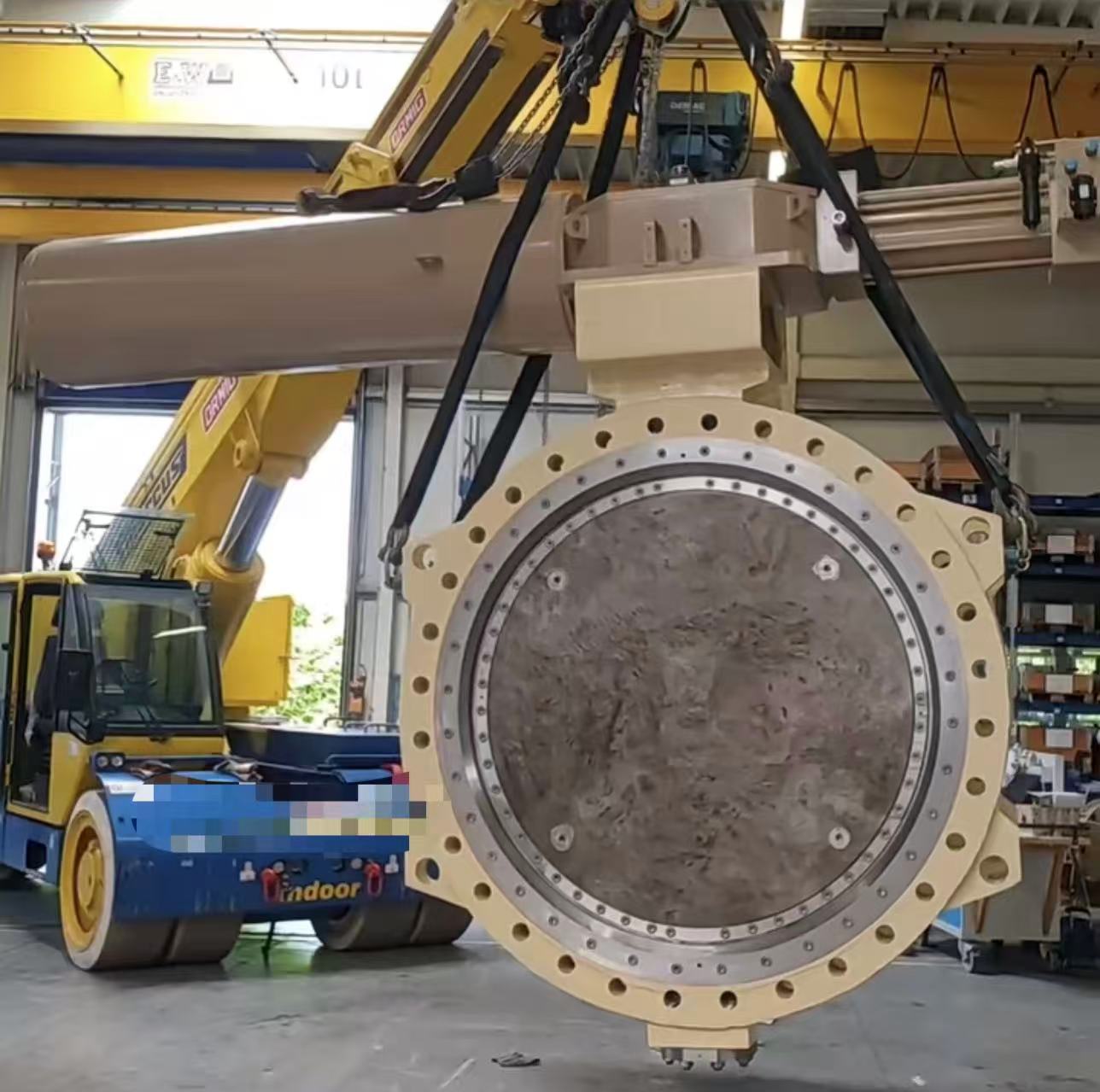
A butterfly valve is a high-efficiency quarter-turn flow control device widely used in commercial and industrial piping systems. Known for its ultra-compact structure, lightweight design, fast operation, and cost-saving advantages, the butterfly valve differs greatly from ball valves, gate valves, and globe valves in structural layout and working principle. It is the preferred valve type for large-diameter pipeline flow isolation, throttling, and regulation. To help engineers and purchasers accurately apply this valve in different projects, this guide fully explains the definition, internal structure, operating principle, core types, and industrial characteristics of butterfly valves.
1. What Is a Butterfly Valve?
A butterfly valve is a rotary motion valve that uses a disc-shaped closure member to control fluid flow. The core components include a valve body, central valve stem, butterfly disc, and sealing seat. Compared with traditional industrial valves, butterfly valves feature a shorter face-to-face length, lighter weight, and smaller installation space, making them ideal for large-bore pipeline systems where ball valves and gate valves are bulky and costly.
Industrial butterfly valves are designed for liquid, gas, and low-viscosity fluid media, widely applied in water treatment, HVAC, fire protection, chemical, power, and municipal engineering systems. They can realize full opening, full closing, and partial flow throttling, taking into account both isolation and regulation functions.
2. Core Structure of a Butterfly Valve
The stable operation of a butterfly valve depends on a precise matching structural system. The main components and their functions are as follows:
Valve Body: Main pressure-bearing shell, available in cast iron, ductile iron, carbon steel, and stainless steel materials, supporting overall pipeline pressure load.
Valve Stem: Transmission shaft that connects the actuator and butterfly disc, delivering rotational torque to drive the disc to rotate.
Butterfly Disc: The core flow control component, rotating 90 degrees to block or open the fluid passage; streamlined disc design effectively reduces flow resistance.
Sealing Seat: Installed on the valve body inner wall, including rubber soft seal and metal hard seal types, responsible for pipeline tight shutoff.
Actuation Device: Including manual lever, gear, pneumatic, and electric actuators, used to control valve switching and adjustment.
3. How Does a Butterfly Valve Operate? (Working Principle)
The operating principle of a butterfly valve is based on 90-degree quarter-turn rotary motion, with simple and efficient action logic:
When the valve receives an opening signal, the actuator drives the valve stem and the butterfly disc to rotate 90 degrees horizontally. At this time, the disc is parallel to the fluid flow direction, and the pipeline forms a fully open passage with minimal flow resistance.
When closing the valve, the disc rotates 90 degrees again to be perpendicular to the fluid direction. The disc surface closely fits the sealing seat, completely blocking the fluid passage and realizing pipeline isolation and tight shutoff.
In addition to full opening and closing, the butterfly disc can stay at any intermediate angle between 0° and 90°, realizing precise flow throttling and pressure regulation, which makes butterfly valves superior to gate valves in flow control performance.
4. Main Types of Butterfly Valves by Structure & Seal
According to sealing form and structural design, industrial butterfly valves are divided into two core categories, adapting to different working conditions:
4.1 Soft Seated Butterfly Valve
Soft seated butterfly valves adopt elastic rubber materials such as EPDM, NBR, and Viton as sealing components. They rely on the elastic deformation of rubber to achieve bubble-tight zero leakage. With low cost and good sealing performance, they are suitable for normal-temperature water, air, and conventional non-corrosive media, widely used in municipal water supply, HVAC, and fire protection systems.
4.2 Metal Seated Butterfly Valve
Metal seated butterfly valves adopt metal-to-metal hard sealing structure with alloy hard-facing treatment on the disc and seat surface. They feature high temperature resistance, high pressure resistance, and abrasion resistance, capable of adapting to high-temperature steam, flue gas, and corrosive industrial media. They are the main choice for heavy-duty industrial severe service.
4.3 Wafer vs Lug Butterfly Valve
Wafer butterfly valve: Clamped between two pipe flanges, ultra-thin body, space-saving, suitable for compact installation scenarios.
Lug butterfly valve: With threaded lugs on both sides, bolted fixed installation, supporting single-ended pipeline maintenance and disassembly, convenient for industrial pipeline overhaul.
5. Manual vs Automated Butterfly Valve Operation
Butterfly valves support diversified driving modes to meet different operational frequency and automation needs:
Manual Butterfly Valve: Equipped with lever or gear operator, suitable for low-frequency on-site manual operation, economical and easy to maintain.
Pneumatic Butterfly Valve: Driven by air pressure, fast switching speed, with excellent explosion-proof performance, suitable for hazardous industrial environments.
Electric Butterfly Valve: Driven by electric actuator, supporting remote control, signal feedback, and proportional regulation, matching intelligent pipeline control systems.
6. Key Advantages of Butterfly Valves
Ultra-compact and lightweight, saving installation space and engineering cost
Fast 90-degree quarter-turn operation, improving pipeline response efficiency
Suitable for large-diameter pipeline systems with low overall cost
Dual functions of isolation and flow throttling
Simple structure, few wearing parts, and low maintenance cost
7. Industrial Applications of Butterfly Valves
Butterfly valves are widely used in low-to-medium pressure and large-flow pipeline scenarios, including municipal water treatment, HVAC refrigeration systems, fire fighting pipeline systems, chemical fluid transmission, power plant circulating water systems, and environmental protection exhaust and flue gas treatment projects.
8. GEKO Valve High-Quality Butterfly Valve Solutions
GEKO Valve provides a full range of industrial butterfly valves, including wafer and lug type, soft seat and metal seat designs, as well as manual, pneumatic, and electric actuated butterfly valves. Our products adopt precision casting and streamlined disc design, featuring stable sealing performance, flexible operation, and strong working condition adaptability. All valves comply with international industrial standards, providing reliable large-diameter fluid control solutions for global municipal and industrial pipeline projects.
9 Core SEO Keywords: Wafer Butterfly Valve, Lug Butterfly Valve, Soft Seated Butterfly Valve, Metal Seated Butterfly Valve, Pneumatic Butterfly Valve, Electric Butterfly Valve, Large Diameter Butterfly Valve, Industrial Butterfly Valve, Quarter Turn Butterfly Valve
LEER MÁS






 Correo electrónico
: info@geko-union.com
Correo electrónico
: info@geko-union.com
 Correo electrónico
: info@geko-valves.de
Correo electrónico
: info@geko-valves.de
 Correo electrónico
: tw@geko-union.com
Correo electrónico
: tw@geko-union.com
 Correo electrónico
: nl@geko-union.com
Correo electrónico
: nl@geko-union.com



 Red IPv6 compatible