Tratamiento de superficies metálicas para válvulas de control: Explicación del cromado, la nitruración y el proceso HVOF.
Apr 09, 2026
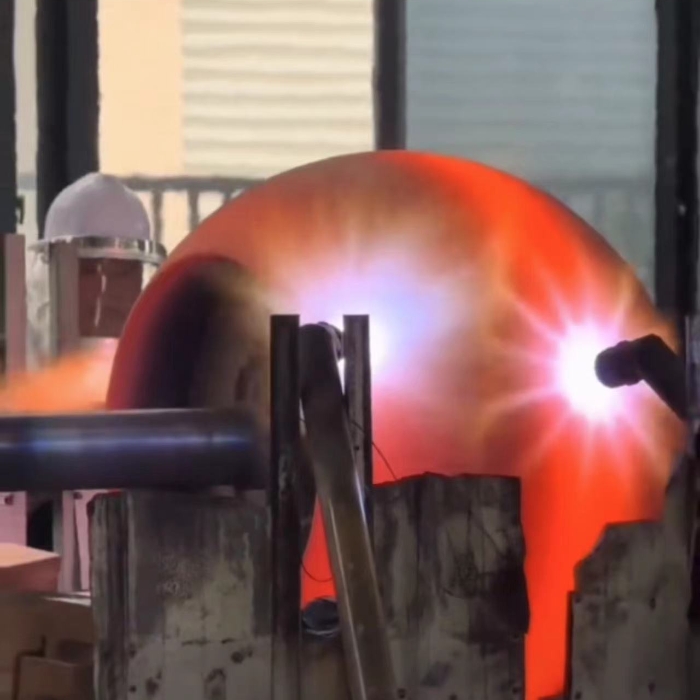
La fiabilidad de las válvulas de control en condiciones de servicio exigentes depende en gran medida de la selección de materiales y de la tecnología de tratamiento de superficies. Si alguna vez ha visitado un sistema de derivación de turbinas en una central eléctrica o una válvula de descarga de aguas residuales en una planta química de carbón, probablemente haya visto lo mucho que pueden dañarse los componentes internos de la válvula debido al fluido del proceso. En condiciones que implican una alta caída de presión, vaporización instantánea y erosión por partículas, un embellecedor estándar de acero inoxidable 316 puede desgastarse muy rápidamente. Mucha gente pregunta: si el acero inoxidable 316 no es lo suficientemente resistente al desgaste, ¿por qué no mecanizar toda la moldura a partir de una aleación dura sólida?En teoría es posible, pero en la práctica el coste es extremadamente elevado y el material es demasiado frágil para soportar el choque térmico o el golpe de ariete. Por eso, la industria suele adoptar el concepto de "un núcleo resistente con una superficie dura", utilizando un metal base fuerte para absorber los impactos y una superficie endurecida para resistir el desgaste.Para las válvulas de control GEKO, esta combinación de resistencia del material e ingeniería de superficies es una solución clave para aplicaciones de servicio exigentes. Hoy vamos a analizar las tres tecnologías de tratamiento de superficies más utilizadas para las válvulas de control: cromado, nitruración y HVOF. La solución clásica: cromado duro El cromado duro es uno de los métodos de tratamiento de superficies más comunes en la industria de las válvulas de control. Funciona introduciendo el vástago o tapón en un baño de galvanoplastia, donde se deposita una capa dura de cromo mediante un proceso electroquímico. Esta capa de cromo duro ofrece un bajo coeficiente de fricción y una alta dureza superficial, generalmente de entre 65 y 70 HRC. Por este motivo, el cromado es especialmente adecuado para vástagos de válvulas y otros componentes que se mueven repetidamente. La superficie lisa cromada puede reducir la fricción del empaquetamiento y ayudar a prolongar su vida útil. Para los vástagos de válvula en las aplicaciones estándar de válvulas de control GEKO, el cromado suele ser una solución económica y práctica. Sin embargo, el cromado también tiene claras limitaciones. A nivel microscópico, el cromo duro suele contener una red de microfisuras. Si el medio es altamente corrosivo, el líquido corrosivo puede penetrar a través de estas grietas y alcanzar el metal base.Una vez que el sustrato es atacado, la capa de cromo puede comenzar a desprenderse. Por lo tanto, el cromado es mejor para reducir la fricción que para la corrosión severa o la erosión por partículas intensas. Fortalecimiento profundo de la superficie: NitruraciónPara evitar el problema del desprendimiento asociado a los recubrimientos, los ingenieros suelen utilizar procesos de endurecimiento superficial basados en la difusión, entre los que la nitruración es uno de los más representativos. La nitruración no aplica una capa externa sobre la superficie; en cambio, los átomos de nitrógeno se difunden en la superficie del metal. Estos átomos de nitrógeno reaccionan con elementos como el hierro y el cromo presentes en el metal, formando una capa de nitruro de alta dureza. La dureza superficial tras la nitruración suele superar los 1000 HV. La mayor ventaja de la nitruración es que la capa endurecida se integra con el sustrato, sin que exista una interfaz física evidente. Por este motivo, es mucho menos probable que una capa nitrurada se desprenda como un recubrimiento convencional.Además, la nitruración se lleva a cabo a temperaturas relativamente bajas, por lo que la deformación de la pieza es mínima después del tratamiento. En aplicaciones con vapor a alta temperatura, la nitruración puede reducir eficazmente el riesgo de desgaste por fricción entre el tapón y el asiento.Por lo tanto, en las aplicaciones de vapor para válvulas de control GEKO, la nitruración suele ser una opción de mejora importante para los tapones y las piezas de guía. Sin embargo, la nitruración no es una solución universal. Su capa endurecida suele tener un espesor de tan solo 0,1 a 0,2 mm. Si el medio contiene una gran cantidad de partículas duras de alta velocidad, esta fina capa endurecida puede desgastarse rápidamente. Por lo tanto, la nitruración es más adecuada para condiciones de desgaste moderado y antiagarrotamiento a altas temperaturas. Blindaje de alta resistencia: HVOF (combustible de oxígeno de alta velocidad) Cuando una válvula de control se expone a condiciones extremadamente severas, como lodos de carbón, lodos minerales, vaporización intensa o erosión por partículas intensa, el cromado y la nitruración a menudo ya no son suficientes. (HVOF) Su principio y estética impactante: La punta del cañón HVOF es como un motor de cohete en miniatura. Mezcla oxígeno con combustible (como queroseno) y lo enciende para generar un chorro supersónico de alta temperatura. Luego, se introduce en este chorro polvo de carburo de tungsteno (WC) o carburo de cromo, extremadamente duro. El polvo está semifundido y viaja a una velocidad asombrosa (¡más del doble de la velocidad del sonido!). Golpea con fuerza la superficie del núcleo de la válvula. Podemos usar la fórmula de la energía cinética para detectar esta energía violenta. La velocidad extremadamente alta hace que el recubrimiento sea extremadamente denso (porosidad < 1%), y la fuerza de unión con el sustrato es ridículamente alta. Su principal ventaja: un revestimiento antidesgaste impecable. El recubrimiento de carburo de tungsteno suele tener un espesor de entre 0,2 y 0,4 mm, y su dureza puede superar los 70 HRC. No solo resiste la erosión por partículas extremadamente violentas, sino que su densa estructura impide la penetración de agentes corrosivos. Para las válvulas de control GEKO que operan bajo condiciones de alta caída de presión, vaporización intensa y desgaste severo, el HVOF suele ser una de las soluciones de mejora de superficie más fiables. Por supuesto, la tecnología HVOF también tiene sus desventajas. En primer lugar, es costosa y requiere un control de proceso muy estricto. Si la preparación del sustrato es deficiente o los parámetros de pulverización no se controlan adecuadamente, aún puede producirse un fallo en el recubrimiento. En segundo lugar, HVOF es un proceso de línea de visión, por lo que resulta difícil para la pistola de pulverización alcanzar geometrías internas complejas, como orificios profundos en jaulas. Aun así, en condiciones de desgaste severas, HVOF sigue siendo una de las soluciones industriales de alta gama más importantes disponibles. Guía de selección de tratamientos de superficie para válvulas de control GEKO Seleccionar un tratamiento superficial para una válvula de control no se trata simplemente de elegir la opción más dura, sino de adaptar el tratamiento a las condiciones de servicio.Si el objetivo principal es reducir la fricción, como la que se produce entre el vástago de la válvula y el empaquetado, el cromado duro suele ser una opción rentable. Si el servicio implica principalmente vapor a alta temperatura, requisitos antidesgaste y un desgaste de leve a moderado, la nitruración es una mejor opción.Si el servicio implica un desprendimiento repentino de material, una suspensión con una alta caída de presión o una fuerte erosión por partículas, se debe considerar en primer lugar el recubrimiento de carburo de tungsteno mediante HVOF. En el caso de las válvulas de control GEKO, la aplicación de la solución de mejora de superficie adecuada para cada aplicación puede mejorar significativamente la vida útil y la fiabilidad operativa. Reflexiones finales El rendimiento de las válvulas de control modernas depende no solo del diseño, sino también del nivel de ingeniería de la superficie. El rendimiento de las válvulas de control modernas depende no solo del diseño, sino también del nivel de ingeniería de la superficie.Elegir la solución adecuada entre el cromado, la nitruración y el HVOF puede ayudar a que las válvulas de control tengan una vida útil más larga y un rendimiento más estable en condiciones de servicio severas.Solo comprendiendo los principios y los ámbitos de aplicación de estos procesos se puede seleccionar la "armadura metálica" adecuada para las válvulas de control GEKO. Para más información, contáctanos en: info@geko-union.com
LEER MÁS






 Correo electrónico
: info@geko-union.com
Correo electrónico
: info@geko-union.com
 Correo electrónico
: info@geko-valves.de
Correo electrónico
: info@geko-valves.de
 Correo electrónico
: tw@geko-union.com
Correo electrónico
: tw@geko-union.com
 Correo electrónico
: nl@geko-union.com
Correo electrónico
: nl@geko-union.com



 Red IPv6 compatible